Affiliate marketing sounds simple: recommend products, earn a commission when people buy. In practice, it is a real publishing business — one where your income depends on trust, traffic, and choosing the right things to promote. This guide walks through how it works, what to expect realistically, and the concrete first steps to get started without cutting corners.
What Is Affiliate Marketing?
Affiliate marketing is a performance-based arrangement between a company and independent promoters. The company (the merchant) pays you (the affiliate) a commission when your recommendation leads to a sale, a signup, or another defined action. You promote the product through content — reviews, comparisons, tutorials, newsletters, videos — and you get paid only when something happens.
Why does this model exist? Because it shifts the marketing risk to the promoter. A company would rather pay a fixed amount per customer acquired than gamble on ad spend. And for creators and publishers, it means you can monetize an audience or a search-traffic footprint without building your own product.
Before going further, it helps to understand the broader context. Affiliate marketing is one channel inside digital marketing as a whole — it works best when paired with other channels like email and search rather than in isolation.
How It Works: The Four Parties
Every affiliate transaction involves four parties, whether or not you ever see all of them directly:
- The merchant (advertiser). The company selling the product. Examples range from Amazon to SaaS companies like Brevo. The merchant sets the commission rate, the cookie duration, and the payout terms in its affiliate program agreement.
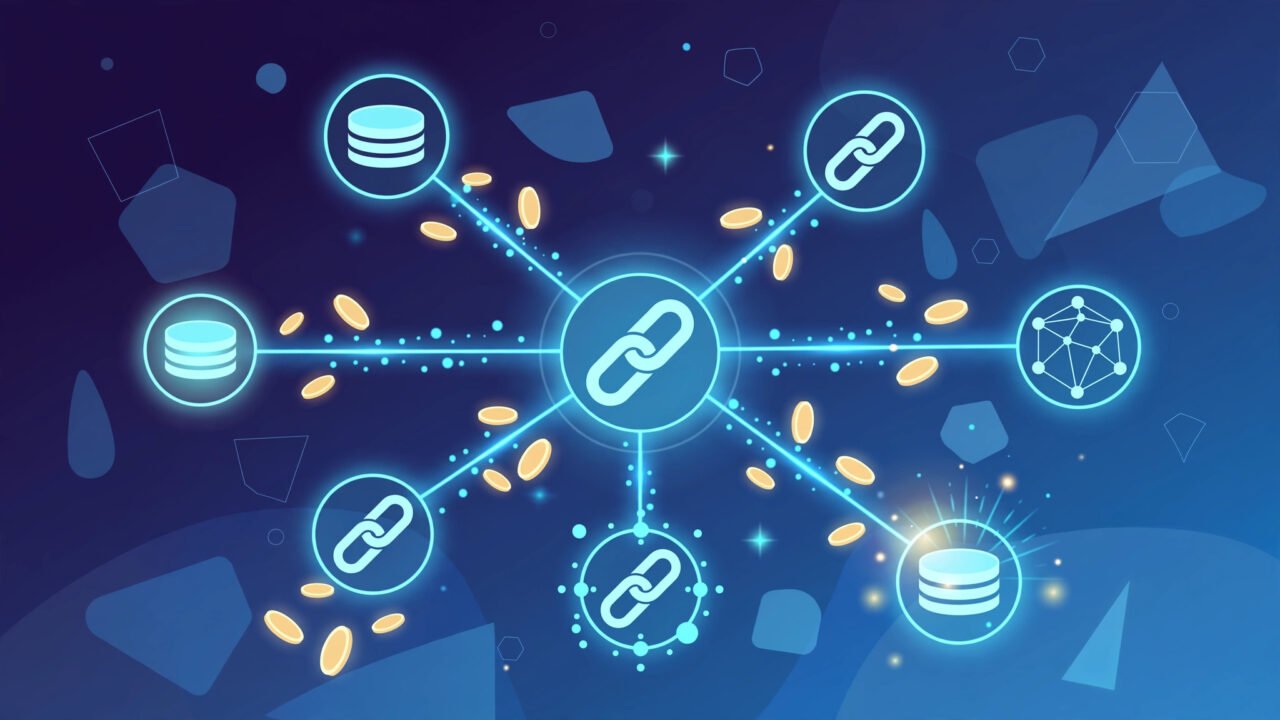
- The network (optional). A middleman platform that connects merchants and affiliates, handles tracking, and consolidates payments. Networks like ShareASale, CJ Affiliate, and Impact exist so affiliates can join hundreds of programs through one dashboard instead of one application at a time. Many merchants also run in-house programs directly — see our guide to the best affiliate networks for how the two compare.
- The affiliate (you). The publisher who creates content, places tracked links, and earns commissions.
- The customer. The buyer. Their click gets tracked by a cookie or server-side attribution, and if they purchase within the cookie window, you earn the commission.
The mechanics: you apply to a program, receive a unique tracking link, and embed it in your content. When a reader clicks and buys within the cookie duration (commonly 30 to 90 days, though it varies widely), the sale is attributed to you and the commission lands in your account. Some programs pay per sale; others pay per lead (e.g., a free-trial signup) or per click.
Choosing a Niche
Your niche — the topic area you cover — determines both your audience and your commission potential. A few principles for picking one:
- Start from knowledge you actually have. You will be writing reviews and comparisons. If you have never used a category of product, your content will read like everyone else’s reworded marketing copy. Experience is the differentiator.
- Check that affiliate programs exist in the niche. Software, web hosting, finance products, and physical goods all have mature programs. Some niches (local services, ultra-cheap commodities) have thin or no programs — verify before committing months of work.
- Prefer recurring-revenue niches where honest. SaaS affiliate programs often pay recurring commissions, which compounds over time. But recurring income only materializes if the product is good enough that customers stay. Promoting a churn-heavy product for its recurring commission is a short-term strategy.
- Narrow enough to be an authority, broad enough to grow. “Email marketing tools” is a better starting niche than “all software” or “one specific app.” You can expand later.
Choosing what to promote within that niche matters just as much — that is covered in detail in our guide to how to choose affiliate products that convert.
Traffic Channels That Actually Work
Traffic is the fuel of affiliate marketing. Without visitors who trust you, links earn nothing. Here are the main channels, with honest assessments:
Content sites (SEO). The classic model: publish reviews, comparisons, and best-of roundups, rank in search, and earn from buyer-intent traffic. Strengths: compounding, passive-ish once ranked. Weaknesses: slow (months to traction), competitive, and dependent on search engines whose rules change.
Email lists. Arguably the highest-converting channel per visitor. A reader who subscribed to your newsletter trusts you more than a random search visitor. Building a list is slow at first but gives you an asset no algorithm can take away. See our guide on how to build an email list for the mechanics.
YouTube and video. Product demos, tutorials, and review videos convert well because viewers can see the product in action. The trade-off is production effort — filming, editing, and consistency take real time.
Social media. Works for discovery and community-building, less reliably for direct affiliate conversions. Short-form video and community posts can drive bursts of traffic, but the traffic is rented: platform algorithm changes can erase your reach overnight. Disclosure rules also apply especially visibly here (see below).
Paid traffic. Running ads to affiliate offers can work, but most programs restrict or ban trademark bidding and many ad platforms limit affiliate promotions. Beginners should not start here — the margin for error is expensive.
Most sustainable affiliate businesses use two or more channels. A common stack: SEO content for discovery, email for conversion and retention, and social/video for reach.
Disclosure Requirements
This part is not optional. If you earn a commission (or receive a free product, a discount, or any other perk) from a recommendation, you need to tell your audience — clearly, and near the recommendation itself.
The FTC’s “Disclosures 101 for Social Media Influencers” guidance lays out the general principles: disclosures should be clear and conspicuous, use plain language (“ad,” “sponsored,” “I earn a commission”), and appear where readers will actually notice them — not buried in a footer, hidden behind a “read more,” or abbreviated into something cryptic like “spon.” The same logic applies to blog posts, comparison tables, and newsletters: the closer the disclosure is to the affiliate link, the better.
A few practical habits:
- Put a short disclosure at the top of any article containing affiliate links, and repeat it near comparison tables or prominent recommendations.
- In video, say it out loud and put it on screen — a description-box note alone is easy to miss.
- On social posts, put the disclosure in the post itself, not just in your bio.
- Disclose even when you think your review is unbiased. The point of disclosure is that the reader gets to decide how much the relationship matters.
Important caveat: this is general information, not legal advice. Disclosure rules evolve, and enforcement has tightened in recent years. Read the official FTC guidance linked above, and consult a qualified professional if you are unsure how it applies to your situation.
Realistic Expectations: The Part Most Guides Skip
Affiliate marketing is not passive income, at least not at first. Honest realities:
- It is slow to start. Most new sites earn little or nothing for the first 6–12 months. Traffic compounds; early months are an investment.
- Commissions are smaller than they look. A 30% commission on a $15/month tool is $4.50/month per customer. You need volume or higher-value products for meaningful income — and both take work to build.
- Nobody can promise you earnings. Any program, course, or guru promising specific income is selling you the course, not the outcome. Your results depend on your niche, traffic, content quality, and conversion skill.
- You are building on someone else’s platform. Merchants can change commission rates, shorten cookie windows, or close programs entirely. Diversifying across programs (and eventually across income sources) is not greed — it is risk management.
- Trust is the actual business model. One deceptive recommendation can cost you the audience it took a year to build. Long-term affiliates promote products they would recommend for free.
Your First-Steps Checklist
Here is a concrete order of operations:
- Pick a niche you understand and can write about for a year without getting bored.
- Set up a simple site. A basic WordPress site with a clean theme is enough. Do not spend a month on design.
- Learn the basics of SEO and content structure. You need to know what search intent looks like before you write.
- Join one or two beginner-friendly programs or networks. Apply to networks like Amazon Associates (simple approval, enormous product catalog) or a niche-relevant in-house program. Read the program terms before promoting anything.
- Publish 10–15 genuinely useful articles before worrying about optimization. Reviews of products you have actually used, beginner guides, and comparisons. Quality first; volume second.
- Add clear affiliate disclosures to every page with affiliate links, from day one.
- Start an email list from day one. Even a simple signup form in your articles. It will be your most valuable channel within a year.
- Track what works. Most programs and networks provide click and conversion reports. Double down on content that converts; rewrite or retire content that does not.
- Reinvest and expand. Once a few articles earn, use the revenue to commission better content, improve the site, or test a second channel.
Frequently Asked Questions
Do I need a website to start affiliate marketing?
Not strictly — people earn through YouTube, social media, and email alone. But a website you own is the most durable asset: you control it, it ranks in search, and no platform can demonetize it overnight. If you are serious, get a site.
How much does it cost to start?
Very little. A domain and basic hosting cost a modest annual amount; everything else (content, promotion) costs time. Be skeptical of expensive “affiliate marketing courses” — the fundamentals above are free, and the rest you learn by doing.
Can I do affiliate marketing without showing my face?
Yes. Faceless review sites and comparison publications are a well-established model. What you cannot skip is genuine expertise or genuine testing — anonymous does not mean low-effort.
How long until I earn my first commission?
It varies widely. With consistent publishing in a reasonable niche, many beginners see their first commissions within 3–6 months. Meaningful income typically takes a year or more. Anyone promising faster is selling something.
Should I promote products I have not used?
No — or at minimum, be transparent about it. “I have researched these options” is honest; pretending to have tested something you have not is how trust dies. Readers can tell the difference, and so can search engines.
The Bottom Line
Affiliate marketing rewards the same things that reward any publishing business: useful content, a defined audience, and trust built over time. Pick a niche you know, learn one or two traffic channels properly, disclose everything, and give it a year. If you want help picking what to promote next, continue with our guide to how to choose affiliate products that convert and the best affiliate networks for beginners.